13 November 2026
How Carpet Mold Remediation Differs in Apartments vs. Rental Homes
Presented by @restoredrooms
Understanding the Unique Challenges of Rental Properties
When moisture finds its way into carpeting, the result can be a persistent mold problem that affects indoor air quality and the integrity of the flooring. In rental properties, whether an apartment or a single-family home, the process of addressing mold differs significantly. Tenants and landlords alike need to understand these differences to choose the right approach. The key factors include the building structure, the speed of response, and who bears responsibility for the work.
In apartments, the building envelope and shared systems create distinct challenges. Mold in a carpeted unit often comes from a leaking pipe in the wall, a poorly sealed window, or moisture migrating from a neighboring unit. In a rental home, the causes are more likely tied to the property's own foundation, roof, or grading. The remediation approach must account for the source and the constraints of each living situation.
Apartments: Shared Spaces and Limited Access
An apartment is part of a larger building. When mold is discovered, the tenant typically reports it to management, who then coordinates with maintenance or outside specialists. The timeline can be complicated because the landlord must check adjacent units for moisture intrusion. Mold in one apartment often originates from a leak in the unit above or a common wall. This means the remediation team may need access to multiple apartments, which requires coordination and tenant cooperation.
The confined space of an apartment also affects how work proceeds. Carpet removal and drying require moving furniture and belongings, often into a small hallway or kitchen. The limited square footage means that residents may need to vacate during the process, especially if the mold is extensive or if the building's ventilation system is involved. Professional teams typically isolate the work area with plastic sheeting and negative air pressure to prevent spores from spreading through the building's ductwork.
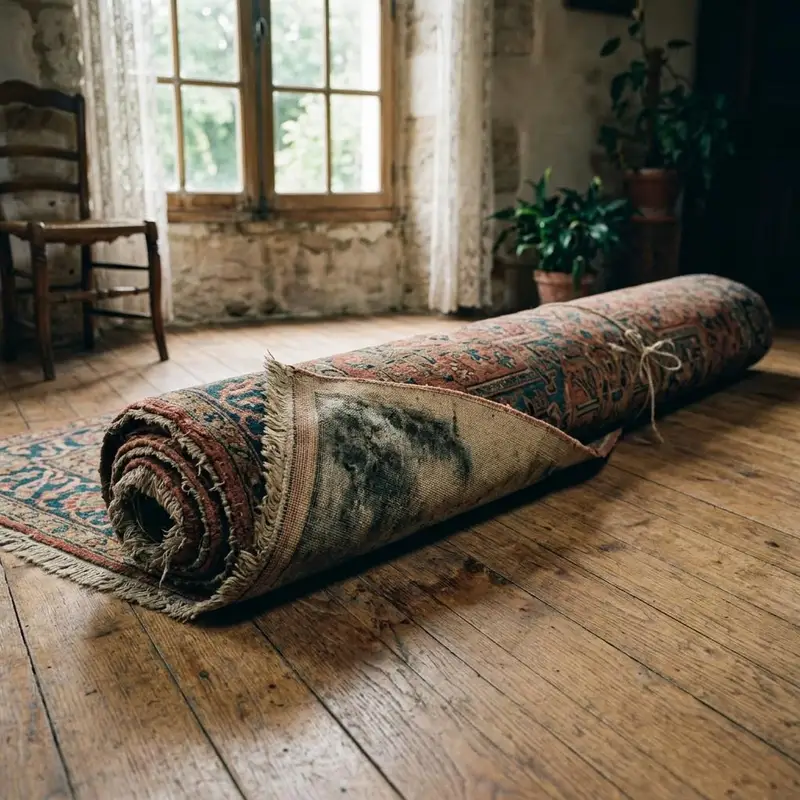
Another consideration is the type of carpet and padding used in apartments. Many multi-unit buildings use low-pile commercial-grade carpet with a thin foam pad. This material can trap moisture and harbor mold, but it is relatively quick to remove and replace. The challenge is ensuring that the subfloor - often concrete in apartment buildings - is completely dry before new carpet is installed. Concrete drying can take days or weeks, depending on the extent of moisture. In some cases, the remediation team may recommend a sealant or moisture barrier to prevent future problems.
Rental Homes: Full Control, Greater Responsibility
A rental home, by contrast, is a standalone structure. The tenant or landlord has full control over the property, but also full responsibility. Mold in a rental house often stems from roof leaks, plumbing issues in the crawlspace or basement, or poor drainage around the foundation. Because the home is separate from other units, the remediation process does not require coordinating with neighbors. This can make the timeline simpler, but the scope of work may be larger.
In a rental home, the carpeting is often a higher-pile residential style with a thicker pad. These materials absorb moisture more readily and take longer to dry. The subfloor is typically plywood or oriented strand board, which is porous and can wick moisture from the carpet and pad. If the mold has penetrated the subfloor, the remediation may involve cutting out and replacing sections of the floor decking. This is a more involved job than in an apartment, where concrete subfloors are less likely to absorb moisture.
Another difference is the availability of space. In a house, the tenant can move furniture to other rooms while work is done in the affected area. This reduces the need for complete evacuation, though it can still be disruptive. The presence of a basement or crawlspace provides access to the underside of the floor, which can help with drying and inspection. In an apartment, the floor above another unit limits this access.
Moisture Identification and Drying Strategies
Identifying the source of moisture is the first step in any remediation. In apartments, inspectors use moisture meters and thermal imaging to trace water along walls and ceilings. They must also check the building's plumbing risers and common areas. In rental homes, the focus is on exterior drainage, roof penetrations, and the home's own plumbing system. The approach differs because the building systems are different.
Once the source is addressed, drying the structure is critical. In both settings, industrial-grade air movers and dehumidifiers are used to pull moisture out of the carpet, pad, and subfloor. In an apartment, the drying equipment must fit within a compact space and may need to run for several days. In a house, the equipment can be placed more freely, but the larger volume of air and materials may require more powerful units. The goal is to bring the moisture content of all materials below the threshold where mold can grow, typically around 15-16% for wood and below 5% for concrete.
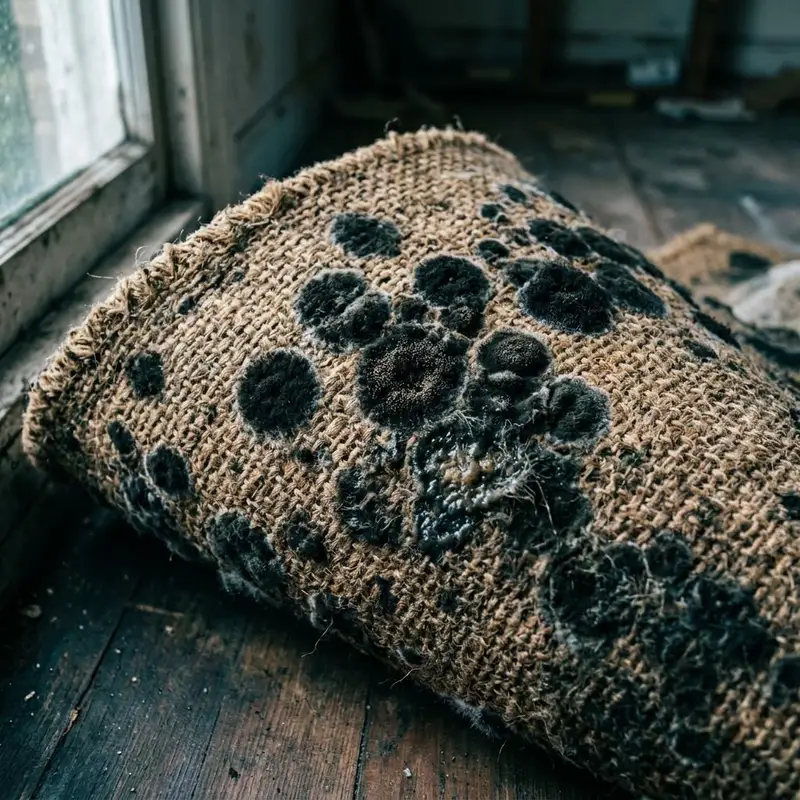
In some cases, especially when mold has been present for a long time, the carpet and pad must be removed entirely. The decision to replace or clean depends on the extent of contamination and the type of material. In apartments, the landlord often replaces carpet after a moisture event because the cost of thorough cleaning can be similar to replacement. In rental homes, tenants or landlords may prefer cleaning for higher-quality carpet, but only if the pad and subfloor are not compromised.
Who Handles the Work and the Costs
Responsibility for carpet mold remediation is a major difference between apartments and rental homes. In an apartment, the landlord is typically responsible for repairs and remediation, as the building is their asset. The tenant's role is to report the problem promptly and allow access. In a rental home, the lease agreement determines who pays for what. Some leases hold the tenant responsible for damage caused by their neglect, while others place the burden on the landlord for maintenance issues. Clear communication and documentation are essential.
Professional remediation services are often the best choice for both situations. The phrase "Carpet Mold Removal Services Pros" refers to the specialized teams that handle identification, removal, drying, and air quality testing. In an apartment, these pros coordinate with building management to isolate the unit and ensure the work does not affect other tenants. In a rental home, they work directly with the tenant or owner to address the entire property. The efficiency and thoroughness of the process depend on the team's experience with the specific type of property.
Air Quality and Health Considerations
Mold in carpeting releases spores and volatile organic compounds that can affect indoor air quality. This is a concern in any living space, but it is amplified in apartments because the air handling system can spread contamination to other units. In rental homes, the HVAC system is typically confined to the house, but the concentration of spores can be higher if the home is tightly sealed. In both cases, post-remediation air quality testing is a good practice to confirm that the space is safe to occupy.
For tenants, knowing the signs of mold and the proper reporting procedure is important. Visible discoloration, a musty odor, or unexplained respiratory symptoms are all reasons to investigate. For landlords, having a responsive plan for addressing moisture issues can prevent minor problems from becoming major ones. The cost of remediation is often less than the cost of litigation or tenant turnover.
Choosing the Right Approach for Your Situation
The choice between cleaning, removal, and replacement depends on the severity of the mold, the type of carpet, and the building structure. In apartments, where concrete subfloors and shared systems are common, removal and drying are often the primary methods. In rental homes, where wood subfloors and thicker carpet are typical, replacement of the pad and sometimes the subfloor may be necessary. The key is to act quickly, identify the source, and work with professionals who understand the unique constraints of each property type.
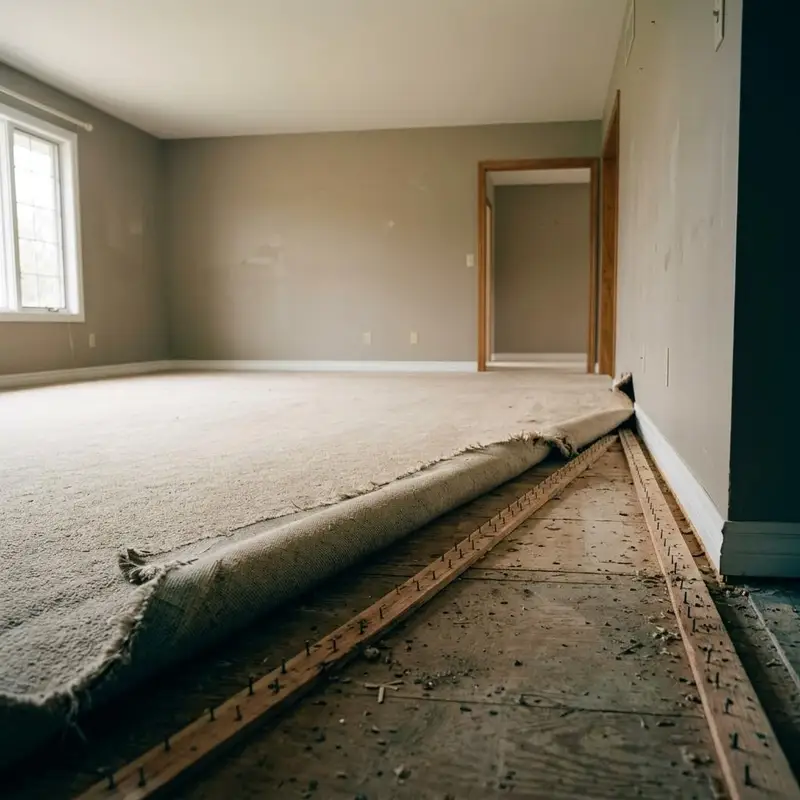
Whether you are a tenant dealing with mold in your apartment or a landlord managing a rental home, the principles are the same: stop the moisture, remove contaminated materials, dry the structure, and restore the space. The practical details differ, but the goal is always to protect the health of the occupants and the integrity of the property. By understanding these differences, you can make informed decisions and ensure that the remediation is effective and lasting.
For properties where the mold issue is complex or extensive, consulting a professional service is wise. Carpet Mold Removal Services Pros bring the equipment and knowledge to handle the job safely and thoroughly. Their work can save time, reduce disruption, and provide peace of mind that the problem is fully resolved.